As a modern building material, rock wool sandwich panels are widely used for their excellent thermal insulation, soundproofing, structural strength, and light weight. Among these properties, fire resistance is the most critical, as it directly impacts building safety and life protection. Fire resistance limit is the maximum time a material can withstand fire while maintaining its integrity and insulation. For rock wool sandwich panels, this limit is not just a test number—it is a key basis for safety compliance and building code approval.
Key Factors Affecting Fire Resistance
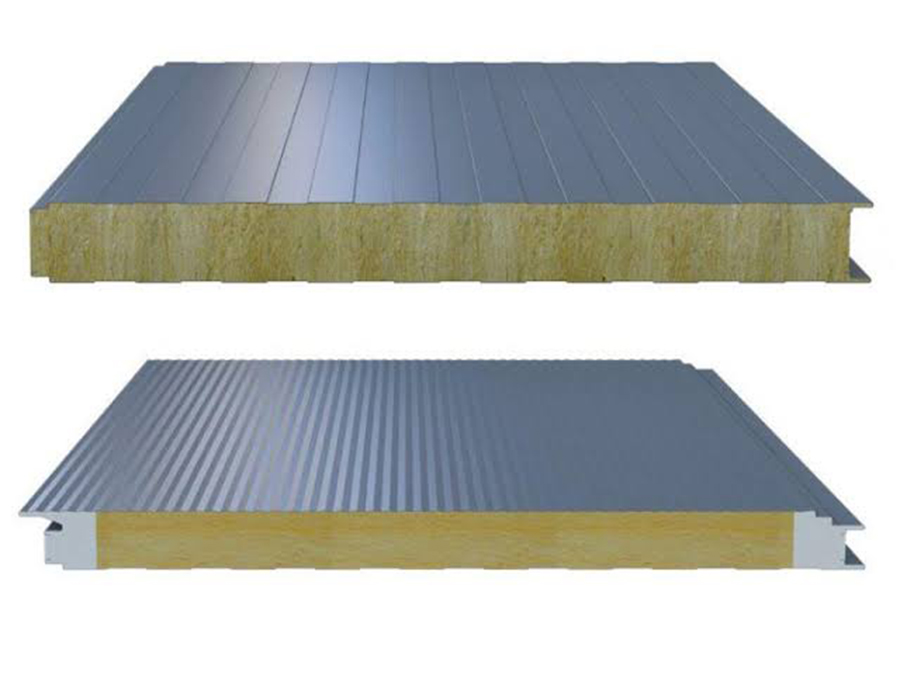
1. Panel Thickness
Panel thickness is one of the most direct factors affecting the fire resistance limit of rock wool sandwich panels. Generally, thicker panels offer longer fire endurance.For example, 50 mm can achieve EI 30, 100 mm can reach EI 60, and 150 mm or more can achieve EI 90 or even EI 120. The reason is simple: a thicker rock wool core creates a longer heat transfer path, delaying the temperature rise on the unexposed side. However, the relationship is not linear; beyond a certain thickness, the steel facers,not the rock wool core,become the weak point under prolonged fire exposure. Therefore, while increasing thickness is effective, it must be balanced against cost, weight, and installation space constraints.
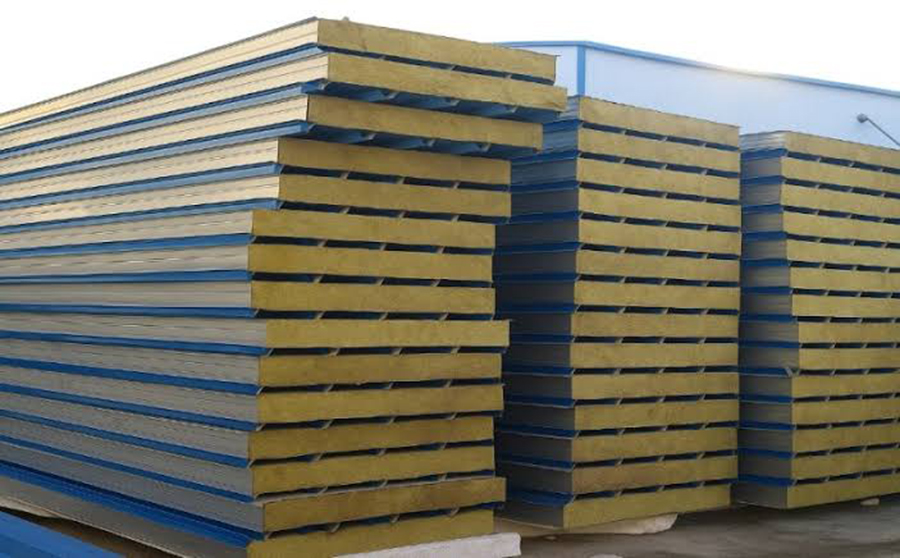
2. Core Density
Core density is the mass of rock wool fibers per unit volume (kg/m³), typically ranging from 80 to 150 kg/m³ for standard panels, with high-performance products up to 200 kg/m³. Higher density means more fiber mass in the same volume, resulting in lower thermal conductivity and slower heat transfer. For example, a 120 kg/m³ core can extend fire resistance by 15 to 30 minutes over an 80 kg/m³ core of the same thickness. Higher density also improves structural cohesion, reducing shrinkage or cracking under extreme heat. However, it increases material cost and panel weight, affecting handling, transportation, and structural support. Thus, selecting the right density requires balancing fire safety needs against budget and practical constraints, with input from fire safety engineers and local building codes.
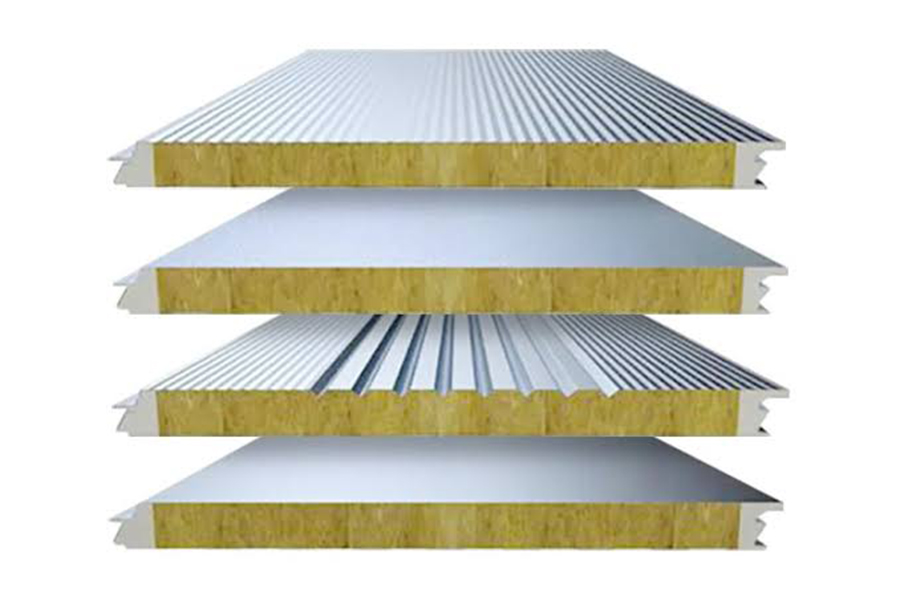
3. Steel Facer Thickness and Coating
Although the rock wool core is non-combustible (A1/A2 rated), the steel facers play a surprisingly critical role in the overall fire resistance limit. Steel facers provide strength and durability, but under fire, steel loses structural integrity rapidly above 500°C, yield strength drops by about 50%. Thicker facers (e.g., 0.6 mm vs. 0.4 mm) can delay buckling and extend fire resistance by 10 to 20 minutes. Special coatings, such as fire-retardant paints or zinc-aluminum alloys, can reflect heat and provide temporary protection. Reinforced edge designs and hidden fastener systems also help reduce heat penetration through joints. While steel facers are not the primary insulation, their performance can be the deciding factor between a 60-minute and a 90-minute rating, especially in load-bearing wall applications.
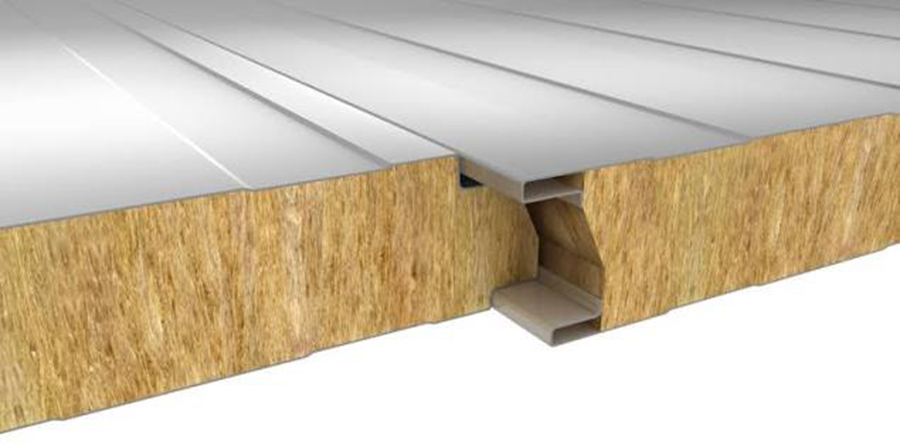
4 .Joint Design and Installation Quality
Joint design and installation quality are often overlooked but critically affect the actual fire resistance of rock wool sandwich panel systems in real-world conditions. While laboratory tests assume perfectly sealed assemblies, actual construction often involves gaps, poor sealing, improper fasteners, or missing fire-stop materials, which can allow flames to penetrate far earlier than the panel's rated time. Among joint types, concealed or interlocking designs perform better because they create longer, labyrinth-like paths for heat and flame. Intumescent fire seals or mineral wool plugs at expansion joints and wall-to-floor interfaces are essential for maintaining system integrity. Even the best panel will fail prematurely if installed poorly. Therefore, fire resistance is not just a product property but a system performance attribute,depending equally on specifications, design details, and on-site workmanship. Regular inspection and proper installer training are just as important as selecting the right panel.
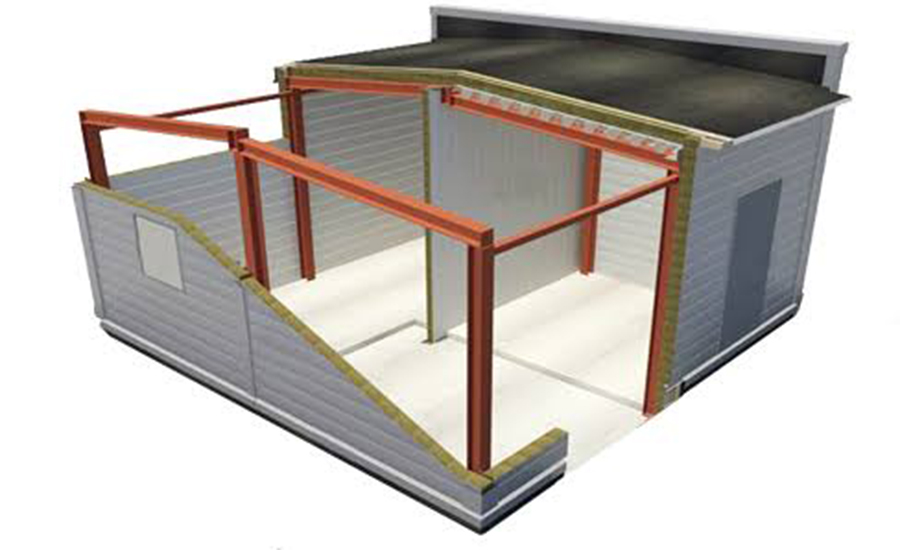
In conclusion, the fire resistance limit of rock wool sandwich panels is not a fixed number but a variable performance indicator, typically ranging from 1 to 3 hours (60–180 minutes), depending on thickness, density, steel facers, and installation quality. Thicker panels with higher-density cores and well-designed steel surfaces offer superior performance, but full realization of these advantages requires proper joint design and meticulous installation. When selecting panels, one must consult fire test certificates, understand required fire resistance classes, and consider cost, weight, and practicality. Rock wool panels outperform foam-based cores like EPS, PU, and PIR, yet they are not absolutely fireproof—they have a finite limit. Understanding that limit is the first step toward safer building design. As building codes tighten globally, the demand for high-performance rock wool panels will grow—along with the importance of asking: How long? And then, How can we make it longer?
For more information needed or any inquiry,please feel free to contact Yumisteel team.