
In the construction industry, rebar tying is a crucial step in ensuring structural stability, and the choice of tying wire directly affects construction quality and subsequent maintenance costs. Black annealed wire and galvanized wire are two common tying materials, each with its own characteristics and suitable for different scenarios. Below, we will compare these two materials in detail.
| Feature Dimension | Black Annealed Wire 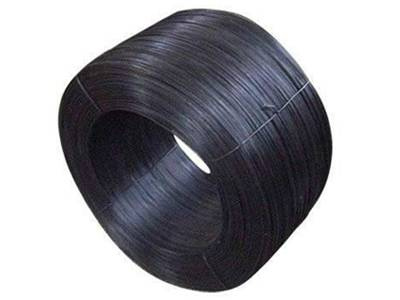 |
Galvanized wire 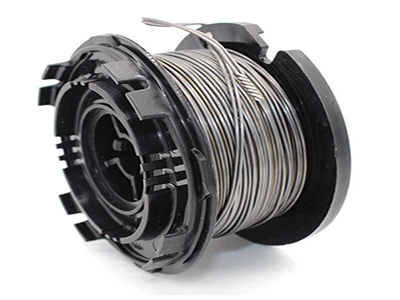 |
| Process and Appearance | Low-carbon steel wire is annealed (heated and then slowly cooled), resulting in a black color. The surface may be coated with anti-rust oil. | The surface of low-carbon steel wire is hot-dip or electro-galvanized, giving it a silvery-white color. |
| Core Advantages | It has excellent flexibility, is easy to bend and wrap, and requires little effort to operate. | It has strong corrosion resistance, and the zinc coating provides long-lasting protection and a long service life. |
| Main Limitations | It has poor corrosion resistance and is prone to rust when exposed to humid environments. | It has high hardness and poor flexibility, making it relatively difficult to handle manually. |
| Cost | Relatively economical. | The cost is usually higher due to the galvanizing process. |
| Typical Application Scenarios | Rebar tying, handicraft making, and material bundling in indoor or dry environments. | Outdoor, damp environments: building tying, fencing, and barbed wire. |
How to Choose?
The choice of binding wire depends primarily on your project requirements and work environment:
Prioritize Black Annealed Wire: If your project is indoors or in a dry environment, and you require high efficiency and ease of handling, black annealed wire is the ideal choice. Its flexibility makes binding faster and more economical.
Prioritize Galvanized Wire:If your project is in a humid or corrosive environment such as outdoors, in a basement, or near the sea, galvanized wire is essential. Although the initial investment is slightly higher, its superior rust resistance ensures long-term stability and avoids safety hazards and maintenance costs caused by corrosion.
In summary, both black annealed steel wire and galvanized steel bar binding wire have their advantages and disadvantages. In practical applications, construction personnel should comprehensively consider factors such as cost, corrosion resistance, and ease of construction based on the specific circumstances of the project to rationally select binding wire materials in order to ensure construction quality and project safety.